Skills

Digital Skills

  • Digital Project Management: I used digital project management tools like Asana and Trello to manage project tasks, timelines, and resources.
  • Data Analysis: I analyzed data on honey production, bee colony health, and market trends using tools like Excel and Google Analytics.
  • Digital Marketing: I created and implemented a digital marketing strategy using social media platforms like Facebook and Instagram to promote the project and its products.
  • Content Creation: I created digital content like blog posts, videos, and infographics to educate stakeholders about the project’s objectives, outcomes, and impact.
  • Web Development: I designed and developed a website using WordPress to showcase the project’s information, products, and services.
  • Digital Collaboration: I used digital collaboration tools like Slack and Google Drive to communicate and share files with team members and stakeholders.
  • Digital Literacy: I acquired digital literacy skills to effectively use digital tools and platforms to manage and implement the project.

Examples of Application

  • Digital Project Management: I used Asana to assign tasks to team members, track progress, and manage deadlines.
  • Data Analysis: I analyzed data on honey production to identify trends, patterns, and areas for improvement.
  • Digital Marketing: I created social media campaigns to promote the project’s honey products and increase brand awareness.
  • Content Creation: I created blog posts and videos to educate stakeholders about the project’s objectives, outcomes, and impact.
  • Web Development: I designed and developed a website to showcase the project’s information, products, and services.
  • Digital Collaboration: I used Slack to communicate with team members and stakeholders, and Google Drive to share files and collaborate on documents.
  • Digital Literacy: I acquired digital literacy skills to effectively use digital tools and platforms to manage and implement the project.

These digital skills have enabled me to effectively manage and implement the Sustainable Honey Production Project, and to communicate its objectives, outcomes, and impact to stakeholders.
Reflections

Reflections on the Sustainable Honey Production Project

What I Learnt

  1. Importance of Sustainable Agriculture Practices: Through this project, I learned about the importance of sustainable agriculture practices, such as integrated pest management (IPM) and organic farming methods, in promoting environmental sustainability and reducing the environmental impact of agriculture.
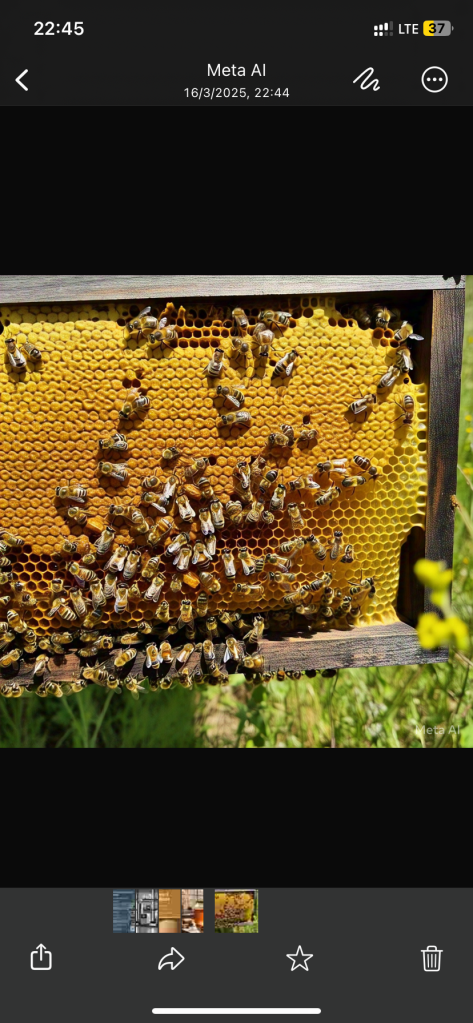
  2. Beekeeping and Honey Production: I gained hands-on experience in beekeeping and honey production, including the establishment of bee colonies, management of bee health, and harvesting of honey.
  3. Community Engagement and Development: The project taught me the importance of community engagement and development in promoting sustainable agriculture practices and supporting local economic development.

Challenges Faced

  1. Establishing Bee Colonies: One of the major challenges faced was establishing healthy bee colonies, which required careful management of bee health and nutrition.
  2. Managing Pests and Diseases: Managing pests and diseases was another significant challenge, which required the use of IPM methods and organic farming practices.
  3. Marketing and Sales: Marketing and selling the honey produced was also a challenge, which required developing a marketing strategy and establishing sales channels.

How I Overcame the Challenges

  1. Collaboration with Experts: I collaborated with experts in beekeeping and honey production to gain knowledge and skills in establishing and managing bee colonies.
  2. Use of Integrated Pest Management (IPM) Methods: I used IPM methods, such as introducing beneficial insects and practicing good hygiene, to manage pests and diseases.
  3. Development of a Marketing Strategy: I developed a marketing strategy, including social media marketing and participation in local food festivals, to promote and sell the honey produced.

Lessons Learnt and Future Directions

  1. Importance of Community Engagement: The project taught me the importance of community engagement and development in promoting sustainable agriculture practices and supporting local economic development.
  2. Need for Continuous Learning: The project highlighted the need for continuous learning and skill-building in beekeeping and honey production.
  3. Potential for Scaling Up: The project demonstrated the potential for scaling up sustainable honey production, which could provide income and employment opportunities for local communities.

Overall, the Sustainable Honey Production Project was a valuable learning experience that taught me about the importance of sustainable agriculture practices, community engagement, and continuous learning.

Honey production project

Sustainable Honey Production: A Sweet Success Story

As the world grapples with the challenges of climate change, environmental sustainability, and social responsibility, innovative projects like the Sustainable Honey Production Project are leading the way.

What is the Sustainable Honey Production Project?

The Sustainable Honey Production Project is an initiative aimed at establishing a sustainable beekeeping operation that produces high-quality honey while promoting environmentally friendly practices and supporting local communities.

Objectives of the Project

  • Establish a sustainable beekeeping operation: The project aims to establish a beekeeping operation that is environmentally sustainable, economically viable, and socially responsible.
  • Produce high-quality honey: The project aims to produce high-quality honey that meets international standards.
  • Promote sustainable agriculture practices: The project aims to promote sustainable agriculture practices, including the use of integrated pest management (IPM) and organic farming methods.
  • Support local communities: The project aims to support local communities by providing employment opportunities and promoting local economic development.

Methodologies Used

  • Establishment of bee colonies: The project involved the establishment of bee colonies in apiaries located in areas with an abundance of nectar-rich flowers.
  • Management of bee health: The project involved the management of bee health, including the use of IPM methods to control pests and diseases.
  • Harvesting of honey: The project involved the harvesting of honey from the bee colonies, using extractors and other equipment to minimize damage to the bees and the honeycomb.
  • Quality control: The project involved quality control measures to ensure that the honey meets international standards, including testing for purity, moisture content, and other parameters.

Outcomes and Impact

  • Establishment of a sustainable beekeeping operation: The project resulted in the establishment of a sustainable beekeeping operation that is environmentally sustainable, economically viable, and socially responsible.
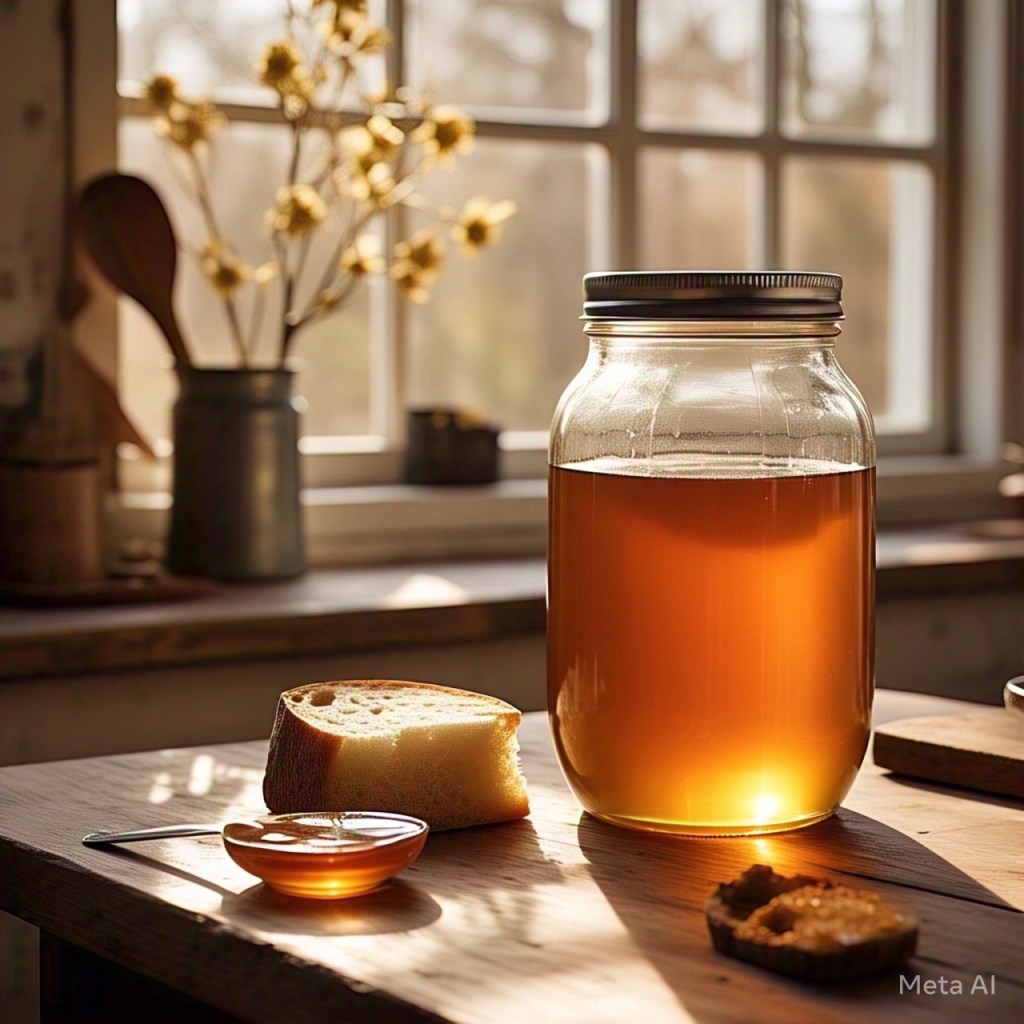
  • Production of high-quality honey: The project resulted in the production of high-quality honey that meets international standards.
  • Promotion of sustainable agriculture practices: The project resulted in the promotion of sustainable agriculture practices, including the use of IPM and organic farming methods.
  • Support for local communities: The project resulted in support for local communities, including the provision of employment opportunities and promotion of local economic development.

Conclusion

The Sustainable Honey Production Project is a shining example of how innovative projects can make a positive impact on the environment, society, and the economy. By promoting sustainable agriculture practices, supporting local communities, and producing high-quality honey, this project is a sweet success story that inspires us to strive for a more sustainable future.

Design a site like this with WordPress.com
Get started